

AC Condenser vs Evaporator: Key Differences, Functions, and Maintenance Tips
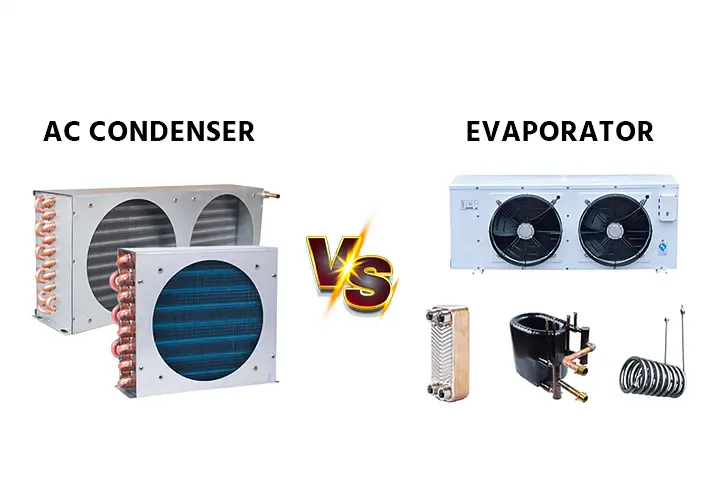
Understanding AC condenser vs evaporator is essential for anyone who wants to learn how an air conditioner works, improve cooling performance, and avoid unnecessary repair costs. Although both components play important roles in the cooling process, they perform different functions. The condenser releases heat from the refrigerant, while the evaporator absorbs heat from indoor air to make your room cool and comfortable.
Whether you use a split AC or a window AC in Bangladesh, knowing the differences between these two components can help you identify common cooling problems and maintain your air conditioner properly. In this guide, we will explain how the condenser and evaporator work, their key differences, common problems, and essential maintenance tips.
What Is an AC Condenser?
An AC condenser is a major component of an air conditioning system that releases heat collected from inside your home to the outdoor environment. In most residential air conditioners, the condenser coil is located in the outdoor unit.
When refrigerant absorbs heat from indoor air, it travels to the condenser as a high-pressure, high-temperature gas. The condenser transfers this heat to the outside air, allowing the refrigerant to cool and change into a liquid. AC Service now: https://acservice.com.bd/services
The main functions of an AC condenser include:
Releasing heat from the refrigerant into the outdoor air.
Helping convert high-temperature refrigerant gas into liquid.
Supporting the continuous refrigeration cycle.
Maintaining efficient cooling performance.
Working with the compressor, expansion device, and evaporator to regulate indoor temperature.
If the condenser becomes dirty or its airflow is restricted, your AC may struggle to release heat. As a result, cooling efficiency can decrease, and the system may consume more electricity.
What Is an AC Evaporator?
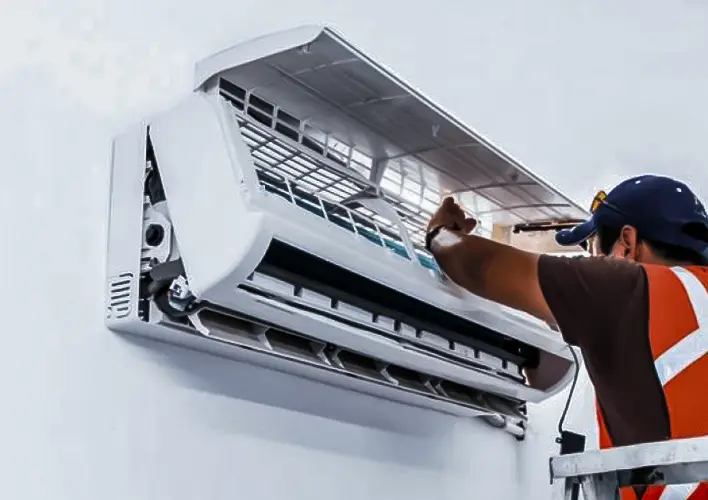
An AC evaporator is the component responsible for absorbing heat from the indoor air. It is generally located inside the indoor unit of a split air conditioner or within the indoor section of a window AC.
The evaporator contains cold refrigerant that absorbs heat as warm room air passes over its coil. During this process, the refrigerant changes from a low-pressure liquid-vapors mixture into a gas. The cooled air is then circulated back into the room by the indoor fan.
The main functions of an AC evaporator include:
Absorbing heat from indoor air.
Helping reduce the room temperature.
Supporting indoor humidity removal as moisture condenses on the coil.
Contributing to comfortable indoor air conditions.
Returning refrigerant vapors to the compressor through the refrigeration cycle.
A dirty evaporator coil or clogged air filter can restrict airflow and reduce heat absorption. This may cause weak cooling, unpleasant smells, water leakage, or ice formation on the coil.
AC Condenser vs Evaporator: Key Differences
Although both components contain refrigerant and transfer heat, their locations, functions, and operating conditions differ.
The easiest way to remember the difference is that the evaporator removes heat from your room, while the condenser releases that heat outside. Both must work properly for your air conditioner to deliver effective cooling.
How Do the AC Condenser and Evaporator Work Together?
The condenser and evaporator are connected through a continuous refrigeration cycle. Each component performs a specific task to move heat from inside your home to the outside environment.
Here is how the process works:
Step 1: Heat absorption: The evaporator absorbs heat from warm indoor air as refrigerant passes through the coil.
Step 2: Compression: The compressor receives refrigerant vapors and increases its pressure and temperature.
Step 3: Heat release: The hot refrigerant enters the condenser, where heat transfers to the outdoor air.
Step 4: Refrigerant expansion: The refrigerant passes through an expansion device, which reduces its pressure and temperature before it returns to the evaporator.
This cycle continues while the air conditioner operates. If either coil becomes dirty, airflow is restricted, or the refrigerant circuit develops a fault, the entire system may lose efficiency.
Common Problems With AC Condenser and Evaporator
Recognizing common problems can help you understand when your air conditioner needs professional inspection.
1. Dirty Condenser Coil
Dust, leaves, and other debris can accumulate on the outdoor condenser coil. Restricted airflow makes heat rejection more difficult and may increase compressor workload.
Solution: Keep the area around the outdoor unit clear and arrange professional coil cleaning when necessary.
2. Dirty Evaporator Coil
Dust buildup on the indoor coil can reduce heat transfer and restrict airflow. It may also contribute to unpleasant odours and drainage problems.
Solution: Maintain the air filter and arrange professional evaporator cleaning if dirt accumulates on the coil.
3. Frozen Evaporator Coil
An evaporator coil may freeze because of restricted airflow, low refrigerant charge, or other system faults. A dirty filter is one possible cause, but it is not the only one.
Solution: Turn off the cooling function and allow the ice to melt. Check the filter and contact a qualified technician if the problem persists. Never scrape ice from the coil.
4. Poor Cooling Performance
Weak cooling can result from dirty coils, blocked filters, refrigerant leaks, faulty fans, or compressor problems.
Solution: Avoid assuming that every cooling problem requires refrigerant. A technician should diagnose the underlying cause before performing repairs.
Maintenance Tips for Better AC Performance
Regular maintenance helps both the condenser and evaporator operate efficiently. These practical steps are especially useful in Bangladesh, where dust, humidity, and hot weather can place additional demands on air conditioning systems.
Clean the Air Filter Regularly
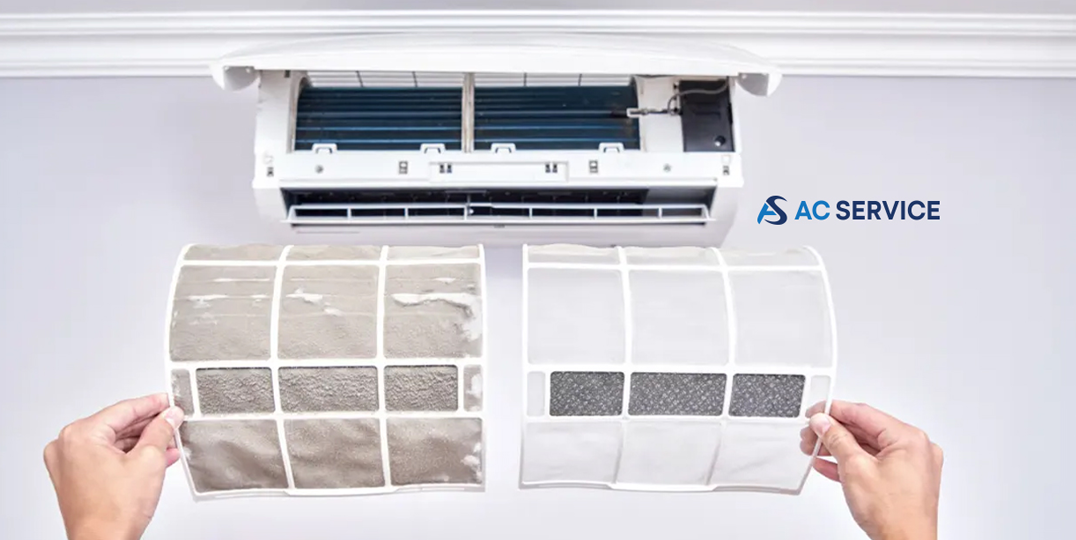
A clean air filter helps maintain proper airflow through the evaporator. If you are wondering, How to Clean the Filter on Your Air Conditioner?, start by switching off the AC and removing the filter according to the manufacturer's instructions. Wash a reusable filter with water if permitted, let it dry completely, and reinstall it. Replace disposable filters rather than washing them.
Check the filter more frequently during dusty periods or when the AC runs for long hours.
Keep the Outdoor Unit Clear
Remove leaves and debris around the condenser unit. Maintain adequate clearance according to the manufacturer's recommendations so that the fan can circulate outdoor air properly.
Schedule Professional AC Servicing
Professional servicing can include coil inspection, drainage checks, electrical testing, airflow assessment, and performance evaluation. If you want to understand the process in more detail, explore What Is AC Servicing? to learn about the routine maintenance tasks that help keep an air conditioner working properly.
Choose the Right AC System
Understanding Split AC vs Window AC can help you select a suitable system for your room size, installation conditions, and budget. Similarly, learning about Inverter AC vs Non Inverter AC can help you compare compressor operation, temperature control, and potential energy savings.
The right choice depends on your cooling requirements, usage patterns, installation quality, and maintenance habits.
When Should You Contact an AC Technician?
Contact a qualified technician if your AC repeatedly freezes, makes unusual noises, leaks water, trips the circuit breaker, or fails to cool the room despite having a clean filter.
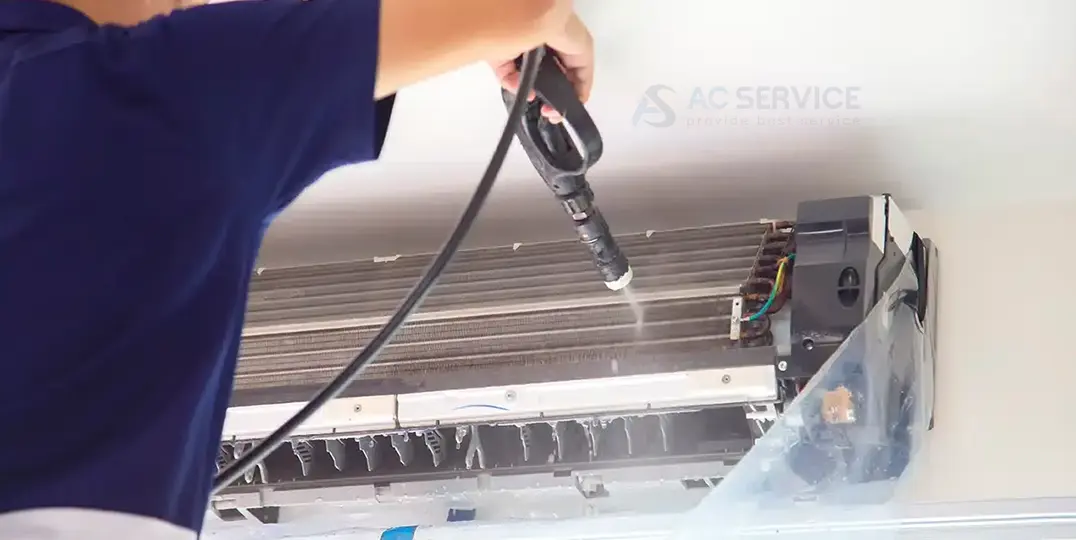
Condenser and evaporator cleaning may require specialized tools and appropriate cleaning products. Avoid opening electrical compartments, handling refrigerant, or using high-pressure water directly on delicate fins without the proper expertise.
For reliable maintenance information, an AC Service Blog can help you understand routine care, common AC faults, and the importance of professional inspections.
When selecting an AC Service Product, check whether it is designed for your specific application. Coil cleaners, for example, must be compatible with the coil material and manufacturer's recommendations. Using the wrong chemical may damage components.
For homeowners looking for maintenance support, AC Service Bangladesh is a relevant topic to explore when researching local servicing options, technician expertise, and maintenance practices. You can also consult AC Service BD for information about air conditioning maintenance and professional service options.
Conclusion
The main difference in AC condenser vs evaporator comes down to heat transfer. The condenser releases heat into the outdoor environment, while the evaporator absorbs heat from indoor air. Both components are essential for effective cooling, proper humidity control, and efficient air conditioner operation.
Regular filter cleaning, clear airflow around the outdoor unit, and professional maintenance can help prevent common problems and extend the life of your AC. If you notice weak cooling, coil icing, or unusual system behavior, arrange a proper inspection rather than replacing parts without identifying the cause.
Understanding these two essential components will help you make better maintenance decisions, improve comfort, and get more value from your air conditioning system.
For submit your comment, you need to login first.
All Categories
Recent Posts
How to Install Split AC: A Step-by-Step Guide
AC Condenser vs Evaporator: Key Differences, Functions, and Maintenance Tips
Inverter AC vs Non Inverter AC: Which Is Better for Your Home?
Split AC vs Window AC: Which One Is Better for Your Home?
Tags
Related Blogs
Discover more helpful articles and insights about AC services and maintenance in Bangladesh

00 Comments