

How to Test AC Compressor: A Step-by-Step Guide
An air conditioner that fails to cool properly may have a problem with its compressor. The compressor is one of the most important components of an AC system because it circulates refrigerant and helps transfer heat from inside the room to the outdoor environment. When it stops working correctly, your air conditioner may blow warm air, make unusual noises, or fail to start.
Learning how to test AC compressor can help you identify common problems before they become more expensive repairs. However, compressor testing involves electrical components and potentially hazardous voltages, so safety should always come first. This guide explains the basic testing process, common warning signs, and when to contact a professional AC technician.
What Does an AC Compressor Do?
An AC compressor is located in the outdoor unit of most split air conditioners. Its primary function is to compress low-pressure refrigerant gas into high-pressure gas and circulate it through the refrigeration system.
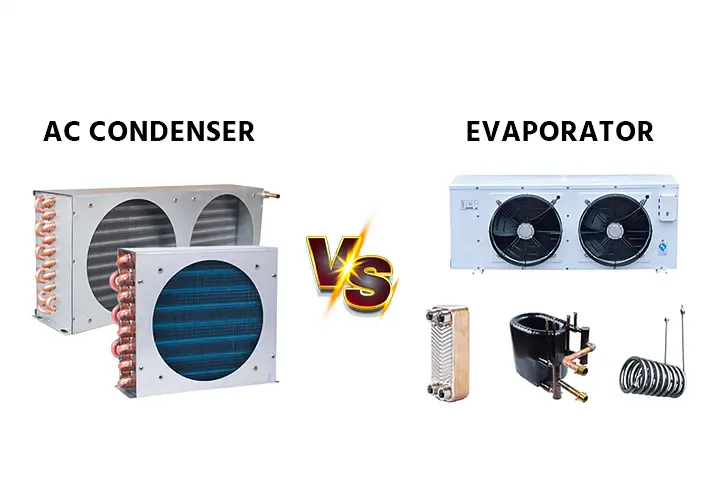
The compressor works together with other components, including the condenser and evaporator, to remove heat from indoor air. Understanding the relationship between these parts is useful when diagnosing cooling problems. You can also learn more about AC Condenser vs Evaporator to understand how these components work together.
If the compressor develops an electrical or mechanical fault, the entire cooling process can be affected.
Common Signs of a Bad AC Compressor
Before testing an AC compressor, look for symptoms that may indicate a problem. These signs do not always mean the compressor itself is faulty, but they can help narrow down the possible causes.
Warm air from the AC: The unit runs but does not cool the room effectively.
Outdoor unit not starting: The indoor unit operates, but the outdoor compressor does not start.
Unusual noises: Grinding, loud humming, or repeated clicking may indicate an electrical or mechanical issue.
Frequent circuit breaker trips: A compressor fault, wiring problem, or other electrical issue may cause excessive current draw.
Compressor overheating: Excessive heat can result from poor airflow, electrical problems, or other system faults.
Reduced cooling performance: The AC struggles to reach the desired temperature.
These symptoms can also result from a faulty capacitor, dirty condenser coil, refrigerant leak, or damaged wiring. Proper diagnosis is necessary before replacing any component.
How to Test AC Compressor Step by Step
There are several ways to investigate compressor problems. The appropriate method depends on the symptoms, the type of air conditioner, and the technician's available tools.
1. Turn Off the Power and Inspect the Unit
Before inspecting an AC compressor, switch off the air conditioner and isolate its electrical supply at the appropriate breaker or disconnect. A qualified technician should verify that the circuit is de-energized before opening electrical compartments.
Capacitors can retain a dangerous electrical charge even after the power is disconnected. Do not touch electrical terminals or attempt to discharge a capacitor without proper training and equipment.
Look for visible signs of damage, such as burnt wires, melted insulation, corrosion, or damaged electrical connections. If you notice a burning smell or signs of overheating, stop the inspection and contact a professional.
2. Check the AC Compressor Capacitor
Some air conditioners use a capacitor to help start or run the compressor. A defective capacitor can prevent the compressor from starting even when the compressor itself is functional.
A technician can inspect the capacitor for visible damage and test its capacitance using an appropriate meter. The capacitor must be safely isolated and discharged using the correct procedure before testing.
If the capacitor is outside its specified rating, replacement may be necessary. However, capacitor problems should not automatically be treated as compressor failure.
3. How to Test an AC Compressor With a Multimeter
A multimeter is commonly used to check compressor electrical circuits. However, live-voltage testing and access to compressor terminals should be performed by a qualified technician.
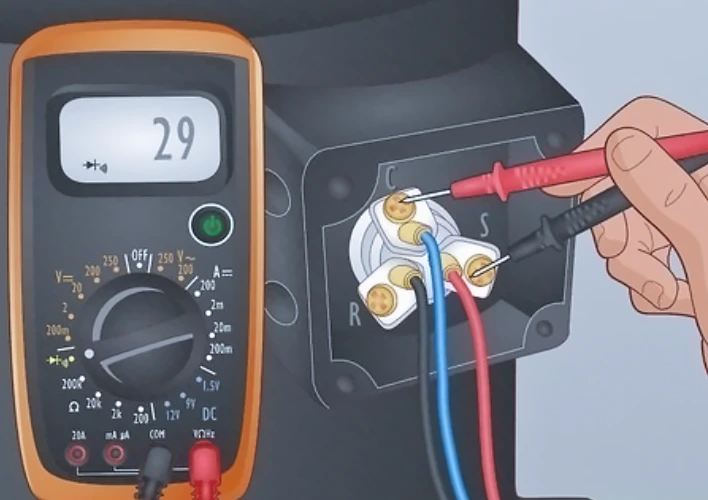
For an isolated compressor with accessible terminals, a technician may use the resistance function to check the compressor windings.
On a conventional single-phase compressor with terminals marked C (common), R (run), and S (start), the resistance between C and R is typically lower than the resistance between C and S.
The resistance between R and S is generally approximately the sum of the other two readings.
Actual readings vary by compressor design and temperature, so always follow the manufacturer's service documentation.
A reading that indicates an open winding or an abnormal relationship between winding resistances may suggest an electrical fault. Resistance testing alone cannot confirm every type of compressor failure.
4. Check for a Compressor Winding Short to Ground
Another important part of AC compressor troubleshooting is checking whether a compressor winding is electrically connected to its metal casing.
With the power isolated and the compressor terminals safely disconnected, a qualified technician can perform the appropriate insulation-resistance test using equipment specified by the manufacturer.
A winding-to-ground fault may indicate damaged insulation and can make the compressor unsafe to operate. Do not energize a compressor suspected of having this fault.
A standard multimeter may identify some faults, but it cannot reliably detect every insulation breakdown. The correct test equipment and manufacturer specifications are important.
5. Check Whether the Compressor Is Receiving Power
If the compressor does not start, the cause may be outside the compressor itself. Possible problems include a faulty contactor, damaged wiring, a defective capacitor, a control-board issue, or an incorrect thermostat setting.
A qualified technician can test the electrical supply and control circuit using appropriate instruments and safety procedures.
If the compressor receives the correct supply but fails to operate, further diagnosis may be needed to distinguish an electrical winding problem from a mechanical failure.
Never touch exposed electrical terminals or perform live-voltage testing yourself. Air conditioners can contain dangerous voltages, even in residential installations.
How to Know If an AC Compressor Is Bad
Knowing how to check if an AC compressor is bad requires more than one test. A compressor may have electrical damage, mechanical wear, or internal problems that cannot be confirmed through a simple visual inspection.
A technician may evaluate winding resistance, insulation resistance, starting behavior, operating current, refrigerant pressures, and overall system performance.
If the compressor hums without starting, the technician should also check the capacitor, supply voltage, and other starting components before concluding that the compressor has failed.
Inverter air conditioners require additional care because their compressors are controlled by electronic inverter circuits. Their testing procedures can differ significantly from those of conventional compressors.
Common AC Compressor Problems and Their Causes
Several issues can affect compressor performance:
Electrical failure: Damaged windings or insulation can prevent normal operation.
Capacitor failure: A faulty capacitor may interfere with the compressor starting on compatible systems.
Poor heat dissipation: Dirty condenser coils or restricted airflow can increase operating temperatures.
Refrigerant problems: Incorrect refrigerant charge or system restrictions can affect cooling and compressor operation.
Mechanical wear: Internal damage may cause unusual noise or reduced performance.
Regular maintenance can help identify developing problems early. Understanding What Is AC Servicing? can also help homeowners learn why inspections, cleaning, and system checks are important.
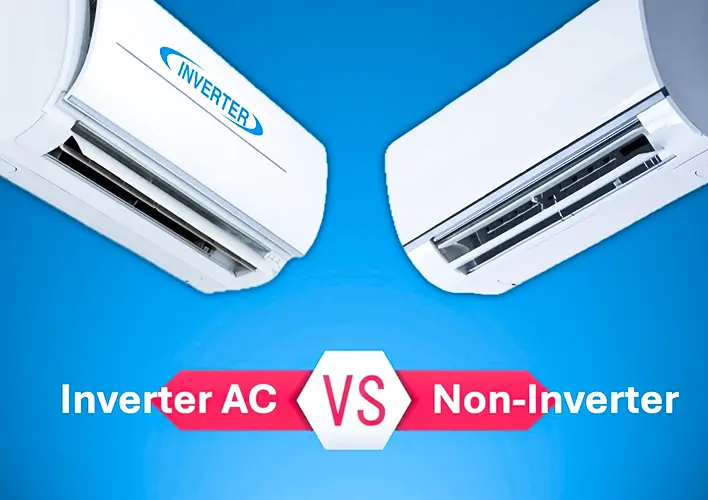
When comparing Inverter AC vs Non Inverter AC, remember that compressor operation and electronic controls differ between the two systems. Always follow the specific manufacturer's testing procedure.
When Should You Call an AC Technician?
You should contact a qualified AC technician if the compressor repeatedly fails to start, the circuit breaker trips, electrical components show signs of burning, or the AC continues to provide insufficient cooling.
Avoid repeatedly restarting a faulty unit because doing so may worsen an existing electrical or mechanical problem.
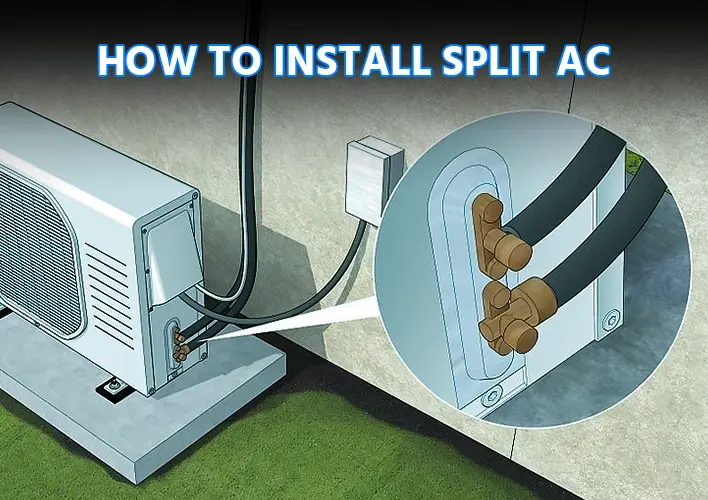
If you are installing a new system or replacing a compressor, professional installation is essential. Follow the manufacturer's requirements and seek guidance on How to Install Split AC to understand why correct installation, refrigerant handling, and electrical connections matter.
Get Professional AC Compressor Testing From AC Service BD
If your air conditioner is not cooling properly, professional diagnosis can help identify whether the problem comes from the compressor or another component. Replacing a compressor without confirming the actual fault can lead to unnecessary expenses.
AC Service BD provides information and support for customers seeking reliable air conditioning maintenance and repair solutions. Whether you need compressor troubleshooting, cooling-performance checks, or general maintenance, choose an experienced technician who follows appropriate safety procedures.
For more useful maintenance advice, explore the AC Service Blog and learn about available options through AC Service Product resources. Customers searching for AC Service Bangladesh can look for qualified professionals who understand different AC models and follow manufacturer recommendations.
Regular inspection and timely repairs can help maintain cooling performance, improve reliability, and reduce the risk of unexpected breakdowns.
Conclusion
Understanding how to test AC compressor can help you recognize warning signs and understand the diagnostic process. However, compressor problems cannot always be identified through a single test. Electrical faults, capacitor issues, refrigerant problems, and mechanical damage can produce similar symptoms.
For safe and accurate diagnosis, leave electrical testing and compressor repairs to a qualified technician. Proper maintenance and timely professional service can help your air conditioner operate more reliably and efficiently.
For submit your comment, you need to login first.
All Categories
Recent Posts
How to Test AC Compressor: A Step-by-Step Guide
How to Install Split AC: A Step-by-Step Guide
AC Condenser vs Evaporator: Key Differences, Functions, and Maintenance Tips
Inverter AC vs Non Inverter AC: Which Is Better for Your Home?
Tags
Related Blogs
Discover more helpful articles and insights about AC services and maintenance in Bangladesh

00 Comments