

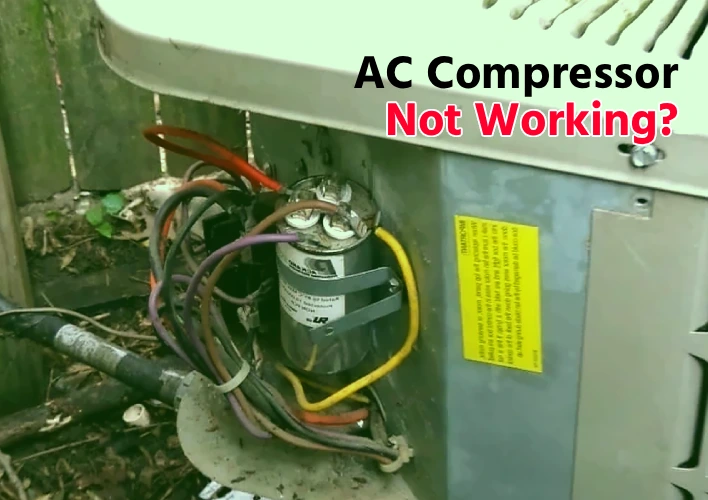
AC Compressor Not Working? Common Causes and How to Fix It
An air conditioner depends on several important components to provide comfortable cooling, and the compressor is one of the most essential. It circulates refrigerant through the system, allowing heat to move from inside your room to the outdoor environment. But what happens when your AC compressor is not working? You may notice warm air, poor cooling, unusual noises, or an outdoor unit that refuses to start.
Understanding the common causes of compressor problems can help you identify early warning signs and avoid expensive repairs. In this guide, we will explain why an AC compressor stops working, how to troubleshoot the problem, and when to contact a professional technician.
What Does an AC Compressor Do?
The AC compressor is located in the outdoor unit of most split air conditioners. Its primary job is to compress low-pressure refrigerant gas and circulate it through the refrigeration cycle.
The compressor works together with other components, including the condenser and evaporator, to remove heat from your room. If the compressor stops working, the cooling process cannot operate normally.
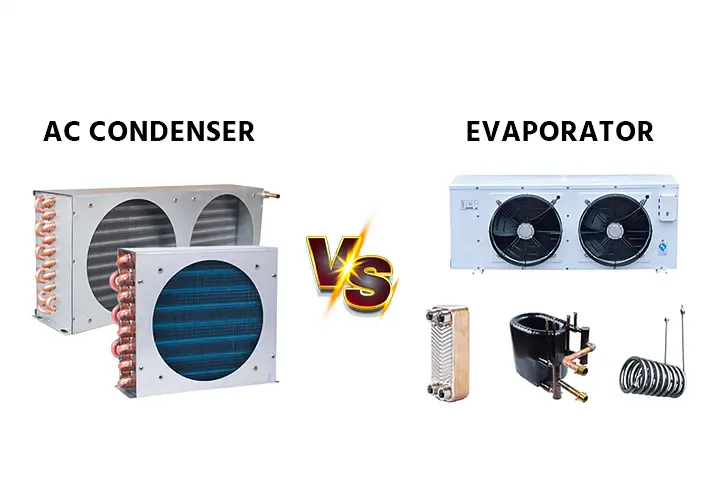
To understand how these components work together, read our guide on AC Condenser vs Evaporator.
Common Signs Your AC Compressor Is Not Working
Recognizing the warning signs can help you identify compressor-related problems before they become more serious.
1. AC Running but Not Cooling
One of the most common signs is an air conditioner that runs but produces warm or insufficiently cool air. A compressor problem may prevent refrigerant from circulating properly. However, dirty filters, refrigerant issues, and other faults can cause similar symptoms.
2. Outdoor Unit Not Starting
If the indoor unit is running but the outdoor unit is not operating, the compressor may not be receiving power or may have an electrical or mechanical fault. A damaged capacitor, faulty wiring, or control-board problem can also cause this issue.
3. Unusual Noises
Grinding, buzzing, clicking, or loud humming sounds from the outdoor unit may indicate an electrical or mechanical problem. These noises should not be ignored, especially if cooling performance has also decreased.
4. Compressor Overheating
An overheating compressor may shut down automatically due to its internal protection system. Dirty condenser coils, restricted airflow, electrical problems, or incorrect refrigerant conditions can contribute to overheating.
5. Circuit Breaker Frequently Tripping
If your AC repeatedly trips the circuit breaker, there may be an electrical fault, short circuit, or compressor-related issue. Avoid repeatedly resetting the breaker without identifying the cause.
Why Is My AC Compressor Not Working?
There are several reasons an air conditioner compressor may stop operating properly.
1. Faulty Capacitor
A capacitor helps the compressor motor start and operate. If the capacitor becomes weak or damaged, the compressor may struggle to start or fail to run. A qualified technician can test the capacitor and replace it if necessary.
2. Low Refrigerant Levels
Low refrigerant levels caused by leakage can affect the cooling cycle and compressor operation. Simply adding refrigerant is not a permanent solution. The technician should identify and repair the leak before recharging the system according to manufacturer specifications.
3. Electrical Problems
Loose connections, damaged wiring, faulty contactors, and power supply issues can prevent the compressor from receiving the required electricity. Electrical problems should always be inspected by a qualified technician.
4. Dirty Condenser Coils
The condenser releases heat from the refrigerant into the outside air. When its coils become covered with dust and dirt, heat transfer becomes less effective. This can increase system pressure and operating temperature, potentially causing compressor problems.
5. Faulty Thermostat
A malfunctioning thermostat may fail to send the correct cooling signal to the AC system. As a result, the compressor may not start even when cooling is needed.
6. Damaged Compressor Motor
Sometimes the compressor motor itself becomes damaged due to overheating, electrical problems, or long-term wear. In such cases, professional testing is necessary to determine whether repair or replacement is the better option.
How to Troubleshoot an AC Compressor Not Working
Before calling a technician, you can perform a few basic checks without opening the electrical components.
Check the thermostat: Make sure the AC is set to cooling mode and the temperature is lower than the room temperature.
Inspect the circuit breaker: Check whether the AC breaker has tripped. If it trips repeatedly, stop using the unit and contact an electrician.
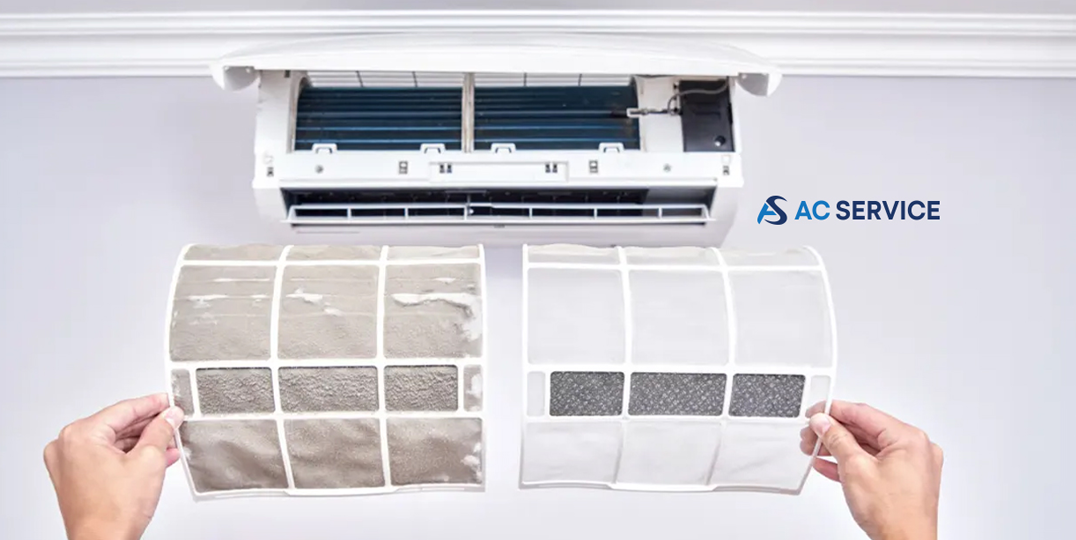
Check the air filter: A dirty filter can restrict airflow and affect cooling performance.
Inspect the outdoor unit: Look for visible dirt, blocked airflow, or physical damage around the unit.
Listen for unusual sounds: Buzzing, clicking, or grinding noises may indicate a problem that needs professional attention.
Never touch exposed electrical wiring, open the compressor terminals, or attempt to repair refrigerant lines yourself.
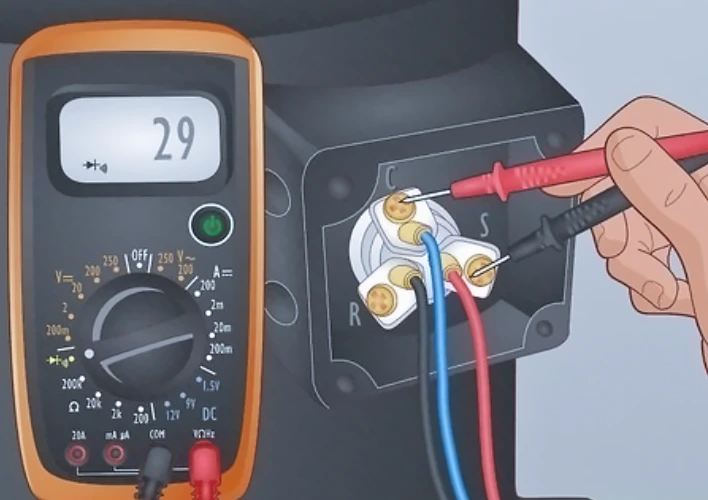
For a more detailed inspection process, read our guide on How to Test AC Compressor.
Can a Dirty Condenser Cause Compressor Problems?
Yes. A dirty condenser can contribute to compressor problems because it prevents the system from releasing heat efficiently. When heat builds up, the compressor may operate under higher temperatures and pressure.
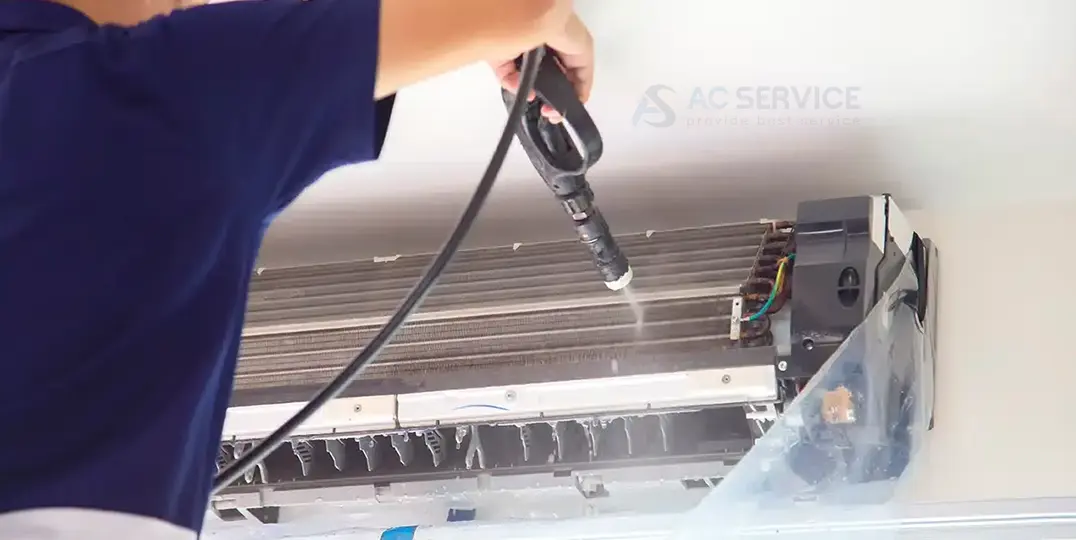
Regular cleaning of the outdoor unit helps maintain proper heat transfer and supports efficient cooling. However, condenser cleaning should be performed carefully to avoid damaging the fins or electrical components.
How to Prevent AC Compressor Problems
Preventive maintenance can reduce the risk of unexpected compressor failure. Here are some useful practices:
Clean or replace air filters regularly.
Keep the outdoor unit free from dust and obstructions.
Schedule professional AC servicing according to usage and manufacturer recommendations.
Check for unusual noises and cooling problems.
Ensure proper electrical connections and earthing.
Address refrigerant leaks instead of repeatedly adding refrigerant.
If you are wondering How to Know If AC Needs Servicing?, signs such as weak cooling, unusual noises, water leakage, and increased electricity consumption can indicate that your AC needs professional attention.
Understanding What Is AC Servicing? can also help you learn why regular inspection and maintenance are important for long-term AC performance.
When Should You Replace an AC Compressor?
Not every compressor problem requires replacement. Issues involving capacitors, electrical connections, or other external components may be repairable.
However, if the compressor motor is severely damaged, internally seized, or has a major internal fault, replacement may be necessary. The technician should compare the repair cost, replacement cost, AC age, and overall system condition before recommending a solution.
Conclusion
An AC compressor not working can result from several issues, including a faulty capacitor, refrigerant leakage, electrical faults, dirty condenser coils, or internal motor damage. Identifying the symptoms early can help prevent further damage and unnecessary repair costs.
Regular maintenance, proper installation, and professional inspections are essential for reliable cooling performance. If your AC compressor shows signs of failure, contact an experienced technician for proper diagnosis and repair.
For more air conditioning maintenance tips and professional guidance, explore AC Service BD and keep your cooling system operating efficiently.
For submit your comment, you need to login first.
All Categories
Recent Posts
AC Compressor Not Working? Common Causes and How to Fix It
How to Test AC Compressor: A Step-by-Step Guide
How to Install Split AC: A Step-by-Step Guide
AC Condenser vs Evaporator: Key Differences, Functions, and Maintenance Tips
Tags
Related Blogs
Discover more helpful articles and insights about AC services and maintenance in Bangladesh

00 Comments