

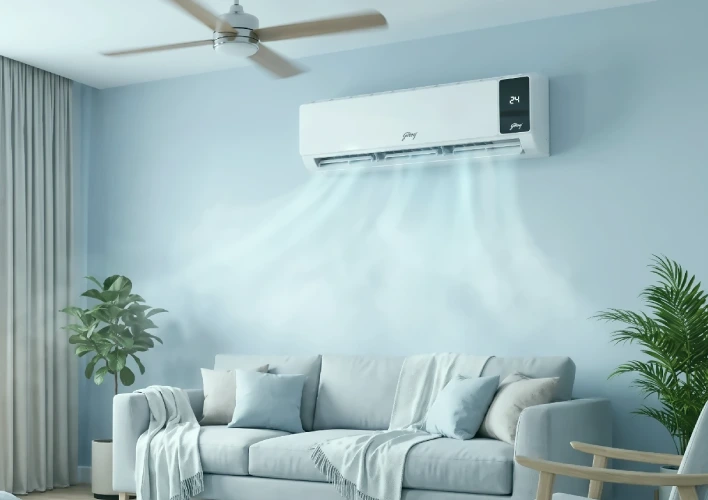
How to Improve AC Cooling: 12 Effective Ways to Make Your Air Conditioner Cool Better
During hot and humid weather, an air conditioner becomes essential for maintaining a comfortable indoor environment. However, sometimes you may notice that your AC is running continuously but not cooling your room properly. This can happen because of dirty air filters, blocked airflow, incorrect thermostat settings, low refrigerant levels, or poor maintenance.
If you are wondering how to improve AC cooling, there are several practical steps you can take to increase your air conditioner's cooling performance. Regular maintenance, proper temperature settings, and improved airflow can make a significant difference.
In this guide, we will discuss 12 effective ways to make your air conditioner cool better, improve energy efficiency, and maintain a comfortable indoor temperature.
1. Clean Your AC Air Filters Regularly
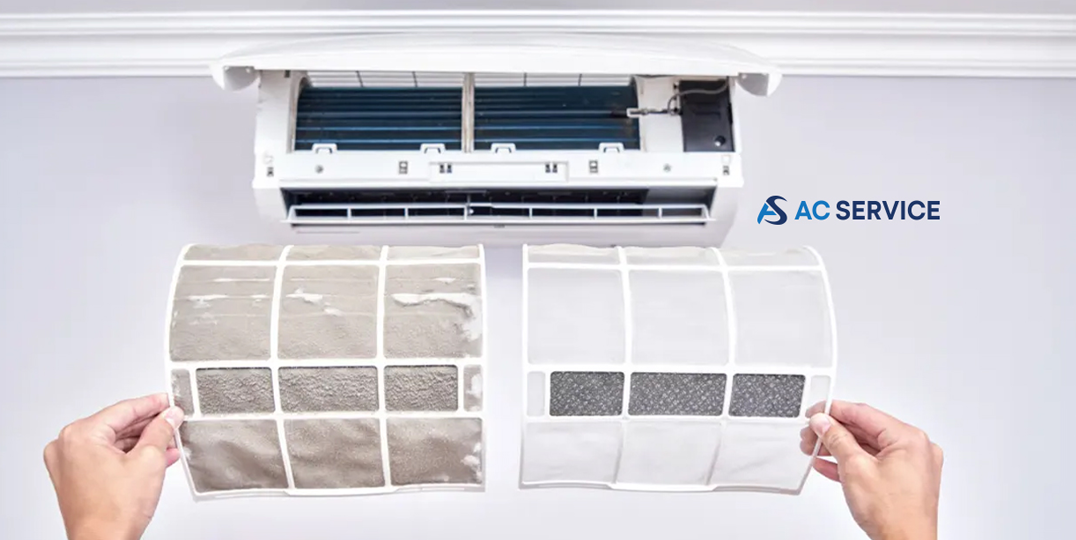
One of the easiest ways to improve AC cooling is to clean the air filters regularly. Over time, dust, dirt, and other particles accumulate inside the filters, restricting airflow through the air conditioner.
When airflow becomes restricted, your AC needs to work harder to cool the room. This can reduce cooling efficiency and increase electricity consumption.
You should check your AC filters every two to four weeks during periods of heavy use. If they are washable, clean them according to the manufacturer's instructions and allow them to dry completely before reinstalling them.
Regular filter cleaning helps maintain proper airflow and improves overall cooling performance.
2. Set the Correct AC Temperature
Your air conditioner's temperature setting plays an important role in its cooling performance.
Many people set their AC to the lowest possible temperature, thinking it will cool the room faster. However, setting the temperature too low does not necessarily make the room cool faster.
For comfortable cooling and better energy efficiency, you can generally set your AC between 24°C and 26°C. Adjust the temperature according to your comfort level and indoor conditions.
Avoid making frequent temperature changes because they can make it harder to maintain a consistent indoor environment.
3. Keep Doors and Windows Closed
If you want to make your AC cool faster, keep your doors and windows properly closed while the air conditioner is running.
When hot outdoor air enters the room, your AC has to work harder to maintain the desired temperature. Similarly, cool air can escape through gaps around doors and windows.
Check for air leaks around window frames, doors, and other openings. Use appropriate weather-stripping or sealing materials where necessary.
A properly sealed room helps your air conditioner maintain a stable indoor temperature and improves cooling efficiency.
4. Clean the AC Evaporator and Condenser Coils
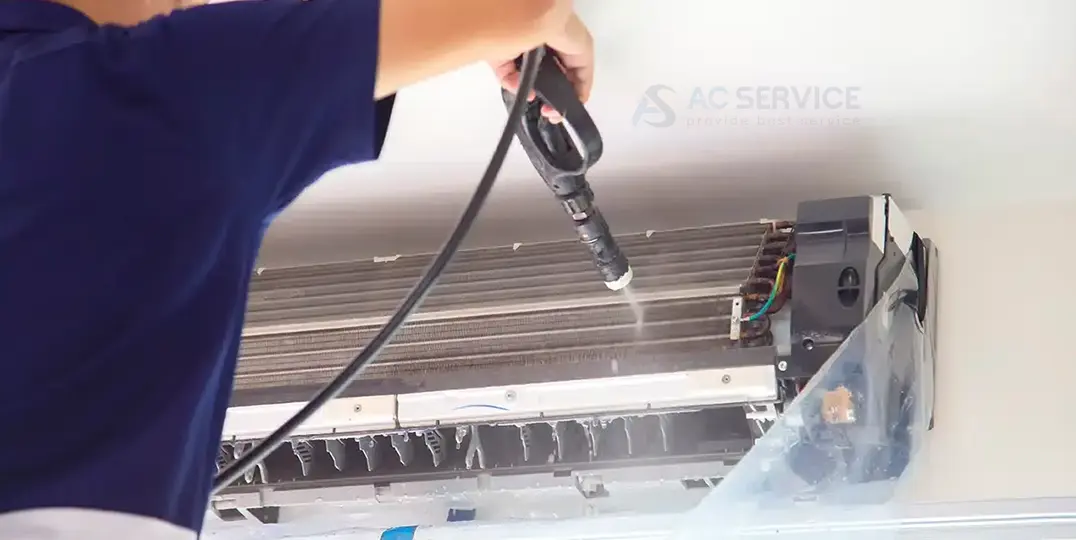
Dirty evaporator and condenser coils are common reasons for poor AC cooling.
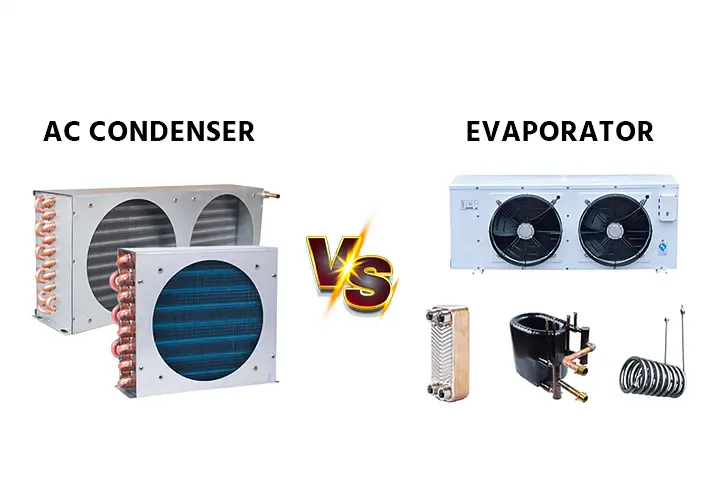
The evaporator coil absorbs heat from indoor air, while the condenser coil releases that heat outside. When dust and dirt accumulate on these coils, heat transfer becomes less efficient.
As a result, your air conditioner may take longer to cool the room and consume more electricity.
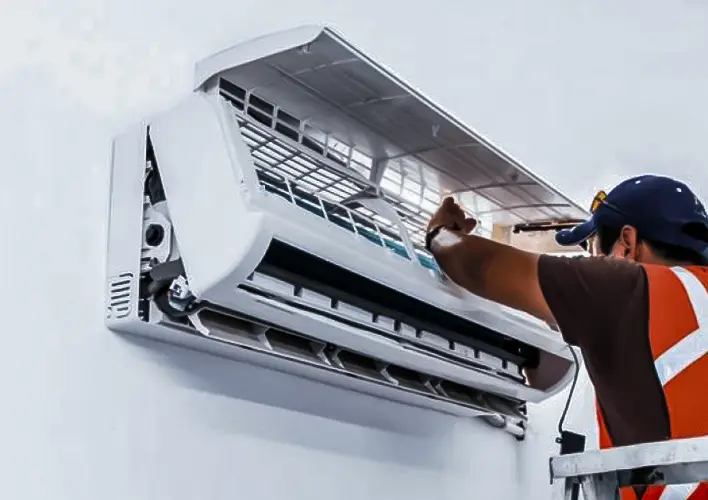
Professional AC servicing can help remove accumulated dirt and improve heat exchange performance.
Understanding the difference between these two components can also be helpful. Read our guide on AC Condenser vs Evaporator to learn how both components work.
5. Make Sure Your Outdoor Unit Has Proper Airflow
The outdoor unit plays an important role in the cooling process. It releases the heat collected from inside your room into the outside environment.
If the outdoor unit is surrounded by walls, plants, dust, or other obstructions, it may not receive sufficient airflow.
To Improve AC Cooling:
Keep the area around the outdoor unit clean.
Remove leaves, dust, and other obstructions.
Make sure the condenser has sufficient ventilation.
Avoid covering the outdoor unit while it is operating.
Proper airflow around the outdoor unit helps your air conditioner release heat efficiently.
6. Use Curtains to Reduce Indoor Heat
Direct sunlight can significantly increase the temperature inside your room. When sunlight enters through windows, your AC needs to remove additional heat to maintain a comfortable temperature.
Using curtains, blinds, or window shades can help reduce indoor heat.
Consider closing curtains during the hottest hours of the day, especially if your room receives direct sunlight.
You can also use blackout curtains or heat-reflective window films to reduce heat entering the room.
These simple changes can help your air conditioner cool the room more efficiently.
7. Check Your AC Refrigerant Level
Refrigerant is an essential part of the air conditioning system. It absorbs heat from indoor air and transfers it outside through the refrigeration cycle.
If your AC has insufficient refrigerant because of a leak, its cooling performance may decrease.
Some Common Signs of Low Refrigerant Include:
AC blowing warm or less cool air.
Longer cooling time.
Ice formation on refrigerant pipes or evaporator coils.
Unusual hissing sounds.
However, low refrigerant is not always the reason for poor cooling.
If you suspect a refrigerant problem, contact a qualified AC technician. The technician should identify and repair any leak before recharging the refrigerant.
8. Use the Correct AC Fan Mode
Most modern air conditioners offer different operating modes, including Cool, Dry, Fan, and Auto.
For normal room cooling, use Cool Mode. This mode allows the air conditioner to operate its refrigeration system and reduce indoor temperature.
Auto Mode can also be useful because the AC automatically adjusts its operation based on the room temperature.
Fan Mode only circulates indoor air and does not provide the same cooling effect as Cool Mode.
Choosing the correct operating mode helps improve your overall cooling experience.
9. Check the AC Fan and Airflow Direction
Sometimes, an air conditioner may be cooling properly, but the cool air is not reaching every corner of the room.
This can happen because of incorrect airflow direction, blocked air vents, or problems with the indoor fan.
Make sure the indoor unit's air outlet is not blocked by furniture, curtains, or other objects.
Adjust the air direction to distribute cool air throughout the room. If the indoor fan is making unusual noises or airflow seems unusually weak, arrange a professional inspection.
Proper air circulation helps maintain a more consistent room temperature.
10. Make Sure Your AC Capacity Matches Your Room Size
An air conditioner must have the correct cooling capacity for the room where it is installed.
If the AC has insufficient capacity, it may struggle to cool the entire room, especially during extremely hot weather.
On the other hand, an oversized AC may cool the room quickly without running long enough to remove sufficient moisture in some conditions.
Before Purchasing a new Air Conditioner, Consider:
Room size and ceiling height.
Number of windows.
Sunlight exposure.
Number of people regularly using the room.
Heat generated by electrical appliances.
Choosing the right AC capacity helps improve cooling performance and energy efficiency.
11. Schedule Regular AC Servicing
Regular maintenance is one of the most effective ways to maintain your air conditioner's cooling performance.
Over time, dust, dirt, and debris can accumulate inside different AC components. Without proper maintenance, these problems may affect airflow, heat transfer, and overall system efficiency.
Professional AC servicing generally includes checking and cleaning important components, inspecting electrical connections, checking drainage, and evaluating cooling performance.
If you are unfamiliar with the servicing process, read our guide What Is AC Servicing? to understand why regular maintenance is important.
For reliable maintenance and professional support, you can explore AC Service BD, a resource for AC service solutions in Bangladesh.
12. Check for Common AC Problems
If your air conditioner is still not cooling properly after following the steps above, there may be an underlying mechanical or electrical problem.
Some Common AC Problems Include:
Faulty compressor.
Damaged capacitor.
Blocked drainage system.
Malfunctioning thermostat.
Refrigerant leakage.
Electrical connection problems.
The compressor is particularly important because it helps circulate refrigerant throughout the air conditioning system.
If you notice that your AC is running but producing warm air, you may need to investigate whether the compressor is operating correctly.
You can learn more through our guides How to Test AC Compressor and AC Compressor Not Working?
Avoid opening electrical components or attempting compressor repairs yourself. Always contact a qualified technician for proper diagnosis and repair.
Additional Tips to Improve AC Cooling Efficiency
Apart from the main maintenance steps, a few everyday habits can help your air conditioner perform better.
Turn off unnecessary lights and heat-producing appliances.
Avoid placing heat-generating devices near the thermostat.
Use ceiling fans to help circulate cool air.
Keep the AC remote and thermostat settings consistent.
Clean your air conditioner according to the manufacturer's recommendations.
Choose the correct AC type for your room and requirements.
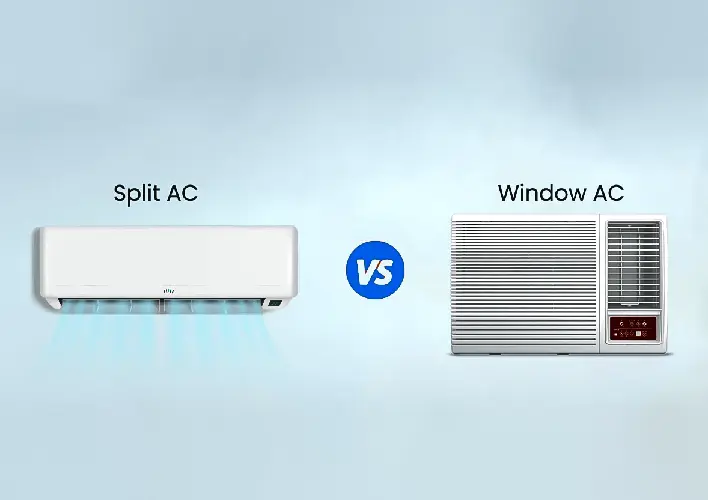
If you are planning to install a new air conditioner, understanding Split AC vs Window AC can help you make a better decision.
You can also follow our guide How to Install Split AC to understand the important considerations during installation.
For more practical maintenance information, explore our AC Service Blog and check the available AC Service Product resources.
Conclusion
Improving AC cooling does not always require expensive repairs or replacing your existing air conditioner. In many cases, simple steps such as cleaning air filters, maintaining the correct temperature, keeping doors and windows closed, and ensuring proper airflow can make a noticeable difference.
However, if your AC continues to provide insufficient cooling, the problem may be related to refrigerant leakage, compressor failure, or another technical issue.
Regular professional maintenance can help identify these problems early, maintain cooling efficiency, and extend the lifespan of your air conditioner.
For professional AC maintenance and support in Bangladesh, contact AC Service BD and keep your air conditioner working efficiently throughout the year.
For submit your comment, you need to login first.
All Categories
Recent Posts
How to Improve AC Cooling: 12 Effective Ways to Make Your Air Conditioner Cool Better
AC Compressor Not Working? Common Causes and How to Fix It
How to Test AC Compressor: A Step-by-Step Guide
How to Install Split AC: A Step-by-Step Guide
Tags
Related Blogs
Discover more helpful articles and insights about AC services and maintenance in Bangladesh

00 Comments