

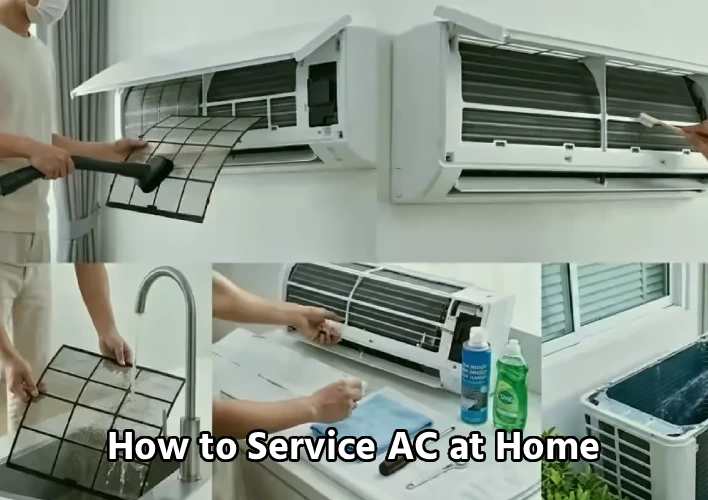
How to Service AC at Home: A Complete Step-by-Step Guide
An air conditioner plays an important role in keeping your home comfortable, especially during the hot and humid summer months in Bangladesh. However, after using your AC for a long time, dust, dirt, and other particles can accumulate inside the unit. This can reduce cooling performance, restrict airflow, and increase electricity consumption.
The good news is that you do not always need a professional technician for basic AC maintenance. By following a few simple steps, you can learn how to service AC at home and keep your air conditioner clean and efficient.
In this guide, we will explain how to clean AC filters, check the outdoor unit, maintain proper airflow, and identify common problems. We will also discuss which maintenance tasks you can safely perform yourself and when you should contact a professional AC technician.
1. Turn Off the AC Before Starting
Safety should always come first when performing air conditioner maintenance at home.
Before cleaning or inspecting your AC, turn it off using the remote control and disconnect the power supply using the appropriate isolator or circuit breaker, following the manufacturer's instructions.
Never clean internal electrical components while the AC is connected to electricity. Avoid opening electrical panels or touching wiring, capacitors, and other electrical parts.
Once the power is safely disconnected, you can begin basic cleaning and inspection.
2. Clean the AC Air Filters
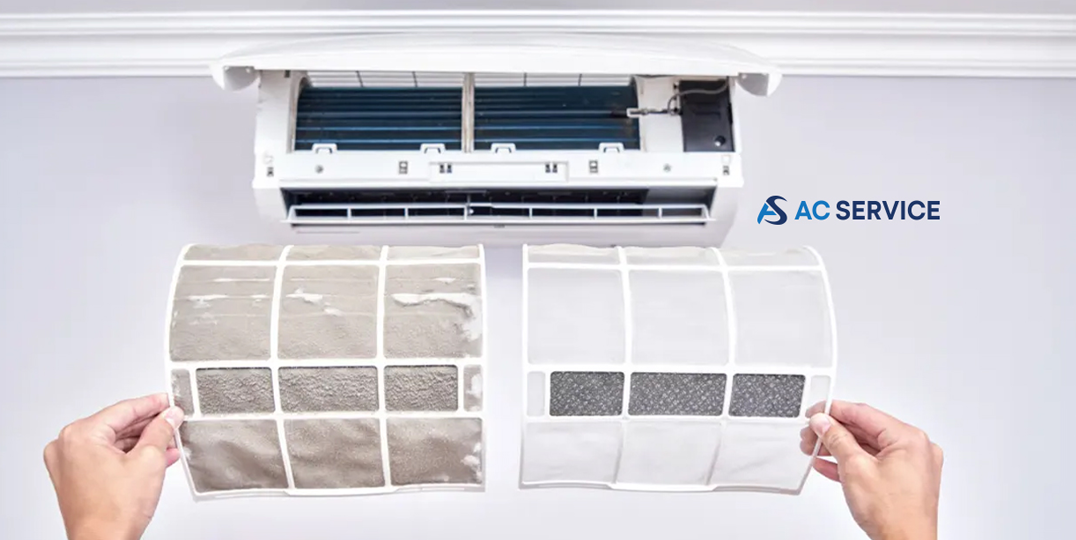
Cleaning the air filters is one of the easiest and most important steps when learning how to service AC at home.
Over time, dust and dirt accumulate on the filters, restricting airflow through the indoor unit. This can make your air conditioner work harder and reduce its cooling performance.
Follow these steps to clean the filters:
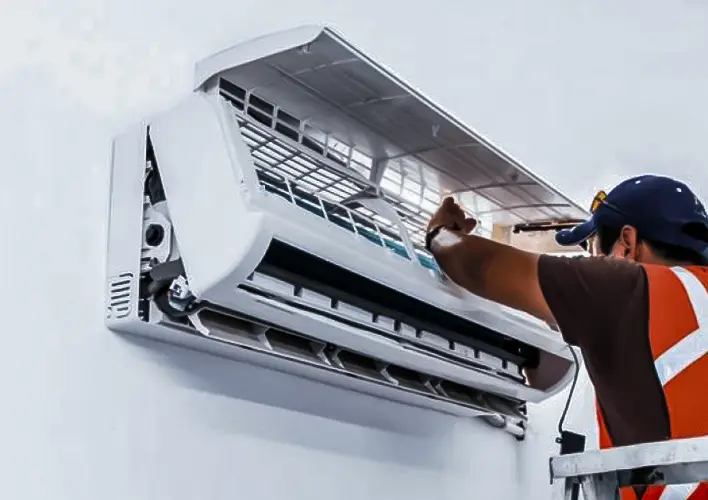
Open the front panel of your indoor AC unit.
Carefully remove the air filters according to the manufacturer's instructions.
Use a soft brush or vacuum cleaner to remove loose dust.
If the filters are washable, rinse them gently with clean water.
Allow the filters to dry completely in a shaded area.
Reinstall the filters properly.
Avoid reinstalling wet filters because moisture can contribute to unwanted odors and microbial growth.
During heavy AC usage, check your filters every two to four weeks. Clean them whenever they become dirty.
3. Clean the Indoor AC Unit's Exterior
The indoor AC unit can collect dust on its front panel, air outlet, and outer surface.
Use a soft, dry microfiber cloth to remove dust from the exterior. If necessary, use a slightly damp cloth, but make sure water does not enter the electrical components or air outlet.
You should also check the air outlet for visible dust and obstructions.
Do not insert sharp objects or cleaning tools deep inside the unit. The internal blower and evaporator coil require proper cleaning techniques and may need professional attention.
Regular exterior cleaning helps keep your air conditioner looking clean and prevents dust from accumulating around the unit.
4. Check the Outdoor Condenser Unit
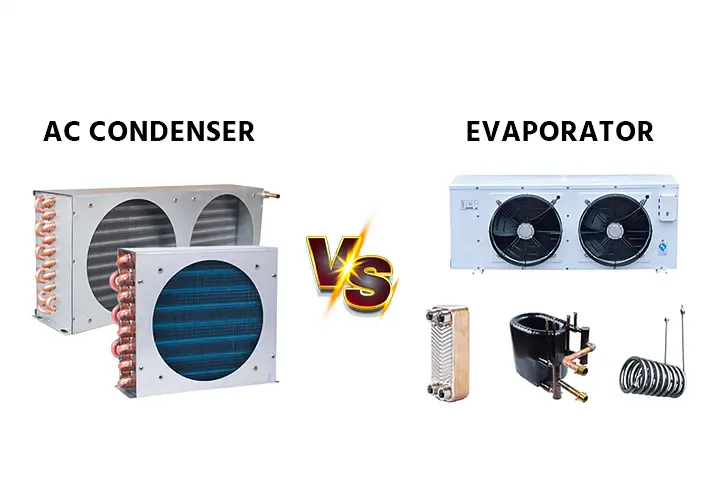
The outdoor unit is responsible for releasing heat from your room into the outside environment. If it becomes surrounded by dust, leaves, or other obstructions, heat transfer may become less efficient.
Here are some basic maintenance steps:
Remove leaves and debris around the outdoor unit.
Keep plants and other objects away from the air intake and outlet.
Check whether the surrounding area has sufficient ventilation.
Look for visible damage or unusual signs around the unit.
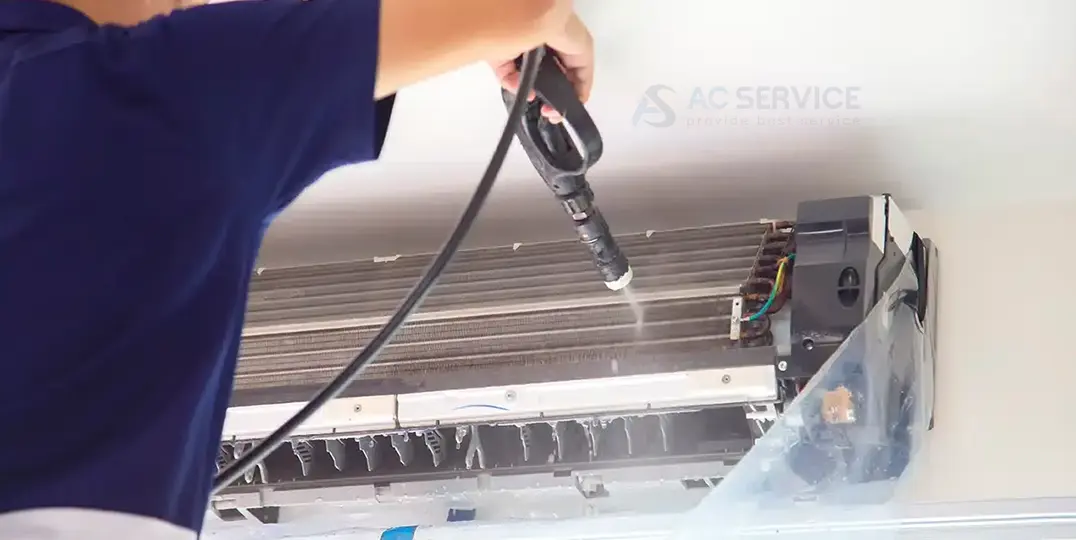
If the condenser coil is dirty, it may require professional cleaning. Avoid spraying high-pressure water directly onto the coil or electrical components.
Proper outdoor unit maintenance can help improve overall cooling efficiency.
5. Check the AC Drainage Pipe
An air conditioner removes moisture from indoor air during the cooling process. This moisture collects as condensation and drains through the drainage pipe.
If the drainpipe becomes blocked, water may leak from the indoor unit.
To check the drainage system:
Look for water dripping from the indoor unit.
Inspect the visible drainage outlet for obstructions.
Check whether water is draining properly when the AC operates.
Contact a technician if you notice persistent leakage or blockage.
Do not insert sharp objects into the drainage pipe or use chemical cleaners without checking the manufacturer's recommendations.
Keeping the drainage system clear helps prevent water leakage and unwanted moisture problems.
6. Check the AC Temperature and Cooling Mode
Correct temperature settings can help your air conditioner maintain comfortable cooling.
For normal indoor conditions, a temperature setting of around 24°C to 26°C is a reasonable starting point. You can adjust it depending on your comfort and room conditions.
Make sure your AC is set to Cool Mode when you want to reduce the room temperature.
Also, check that the remote control is working properly and that the thermostat is responding correctly.
For additional cooling advice, read our guide How to Improve AC Cooling, which explains practical ways to improve air conditioner performance.
7. Inspect the Indoor and Outdoor Airflow
Proper airflow is essential for effective air conditioning.
If furniture, curtains, or other objects block the indoor unit's air outlet, cool air may not circulate properly throughout the room.
Similarly, the outdoor unit needs sufficient space to release heat.
Check both units and remove any visible obstructions. If the airflow remains weak even after cleaning the filters, there may be an issue with the blower fan, evaporator coil, or another internal component.
A qualified technician can inspect the system and identify the actual cause.
8. Look for Common AC Problems
While performing basic AC maintenance, pay attention to unusual signs that may indicate a technical problem.
Some common AC issues include:
Poor cooling: The AC runs but does not cool the room properly.
Water leakage: Water drips from the indoor unit.
Unusual noise: The indoor or outdoor unit makes abnormal sounds.
Bad smell: Dust, moisture, or microbial growth may cause unpleasant odors.
Weak airflow: The AC does not distribute enough air into the room.
If you notice these problems, avoid attempting complicated repairs yourself.
For example, if you suspect a compressor problem, you can learn about the symptoms in our guide AC Compressor Not Working? You can also read How to Test AC Compressor to understand the diagnostic process. However, actual electrical testing should be performed by a qualified technician.
9. When Should You Call a Professional AC Technician?
Basic AC maintenance at home can help prevent some common problems, but it cannot replace professional servicing.
You should contact an experienced AC technician when:
Your AC is not cooling despite clean filters.
Refrigerant leakage is suspected.
Ice forms on the evaporator coil or refrigerant pipes.
The compressor does not operate properly.
The outdoor fan or indoor blower has a problem.
Water leakage continues after basic inspection.
Electrical components make unusual sounds or produce burning smells.
Professional servicing may include deeper coil cleaning, electrical inspection, refrigerant leak detection, drainage maintenance, and performance testing.
If you want to understand the complete maintenance process, check our guide What Is AC Servicing?
For homeowners looking for reliable maintenance solutions, AC Service BD provides AC-related service information and support in Bangladesh. You can also explore AC Service Bangladesh to learn more about available AC maintenance solutions.
10. How Often Should You Service Your AC at Home?
The frequency of AC maintenance depends on how often you use your air conditioner and the surrounding environment.
Here is a simple maintenance schedule:
If you use your AC daily or live in a dusty environment, you may need more frequent maintenance.
For additional maintenance tips, visit our AC Service Blog and explore useful AC Service Product resources.
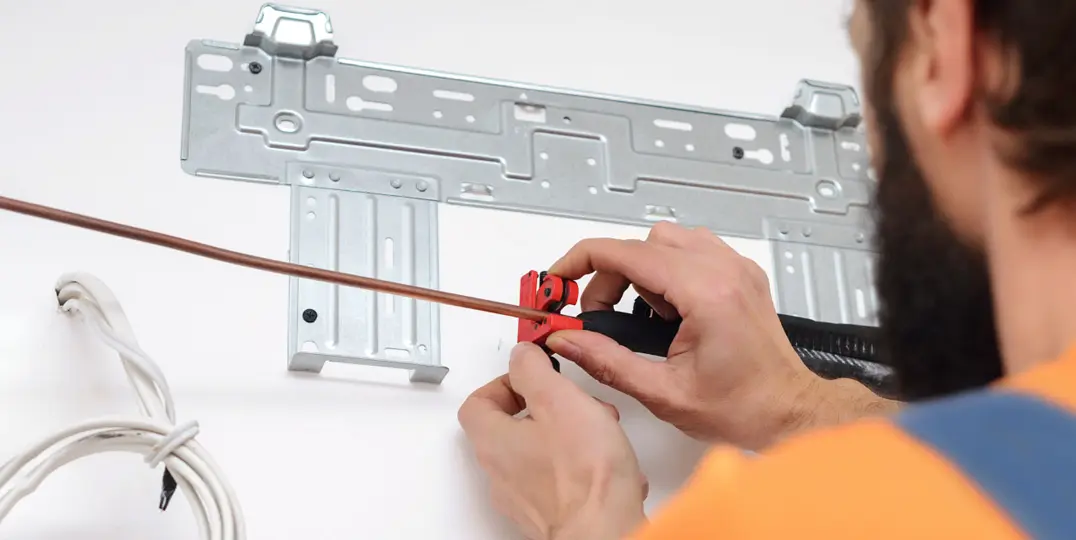
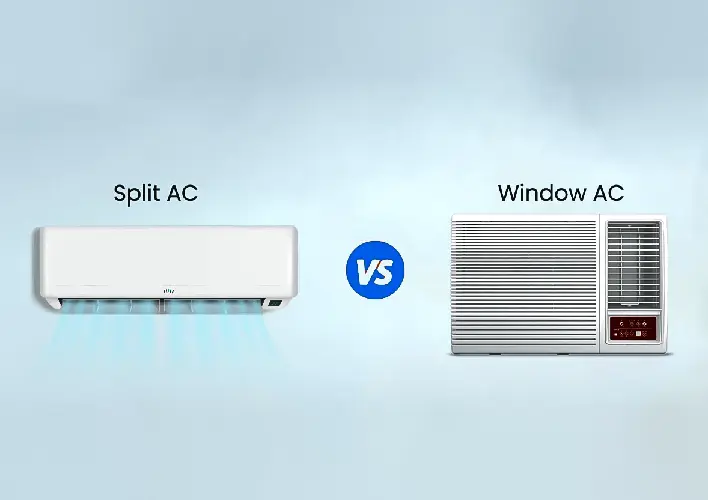
If you are planning to install a new air conditioner, our guides How to Install Split AC and Split AC vs Window AC can also help you understand installation and AC selection.
Conclusion
Learning how to service AC at home can help you maintain your air conditioner, improve airflow, and prevent some common maintenance problems.
Simple tasks such as cleaning air filters, wiping the indoor unit, checking the outdoor area, and inspecting the drainage system can make a noticeable difference.
However, complicated tasks involving refrigerant, electrical components, compressors, and deep internal cleaning should always be handled by qualified technicians.
Regular maintenance is essential for keeping your air conditioner in good condition. Whether you need basic maintenance advice or professional AC Service, taking care of your air conditioner can help maintain comfortable cooling throughout the year.
For more helpful AC maintenance information and professional support in Bangladesh, visit AC Service BD.
For submit your comment, you need to login first.
All Categories
Recent Posts
How to Service AC at Home: A Complete Step-by-Step Guide
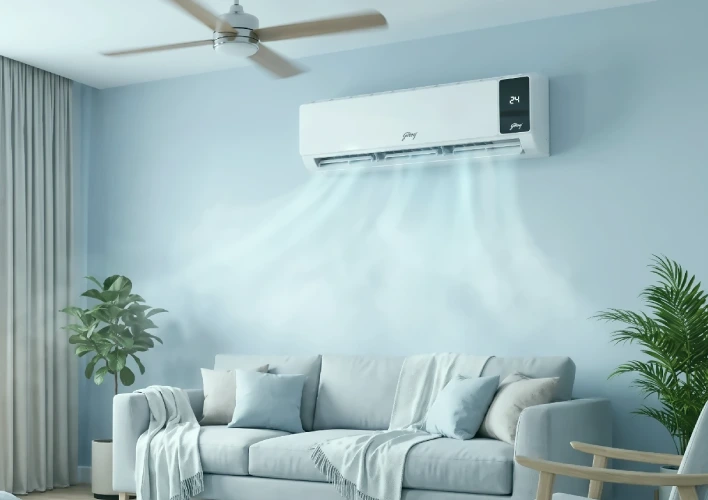
How to Improve AC Cooling: 12 Effective Ways to Make Your Air Conditioner Cool Better
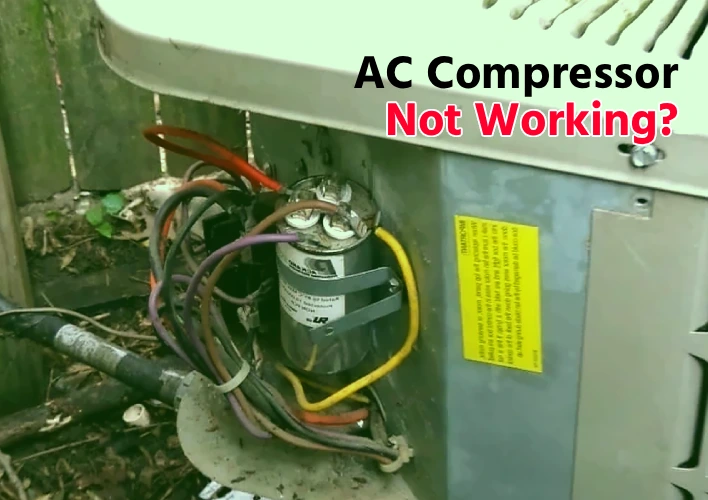
AC Compressor Not Working? Common Causes and How to Fix It
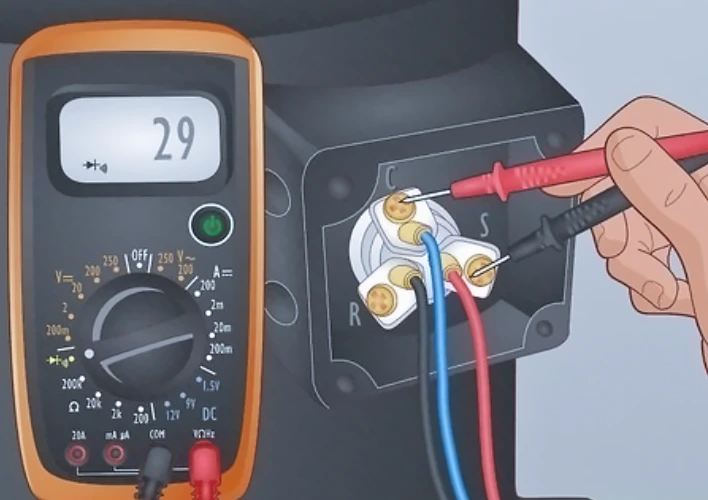
How to Test AC Compressor: A Step-by-Step Guide
Tags
Related Blogs
Discover more helpful articles and insights about AC services and maintenance in Bangladesh

00 Comments